Kim Jiyoung–Oh Misook Mother-Daughter Relationship
Kim Ji-young, Born 1982The Kim Jiyoung–Oh Misook Mother-Daughter Relationship is shaped by both tenderness and inherited constraint. Oh Misook loves and cares for her daughter, yet her own life has been narrowed by expectations that women sacrifice education, work, and rest for family. As Kim Jiyoung becomes a mother herself, the two women’s experiences meet in an unusually candid exchange: Oh Misook’s account of how difficult childrearing was gives Jiyoung a fuller understanding of the costs her mother had rarely described.
Family History and Gendered Expectations
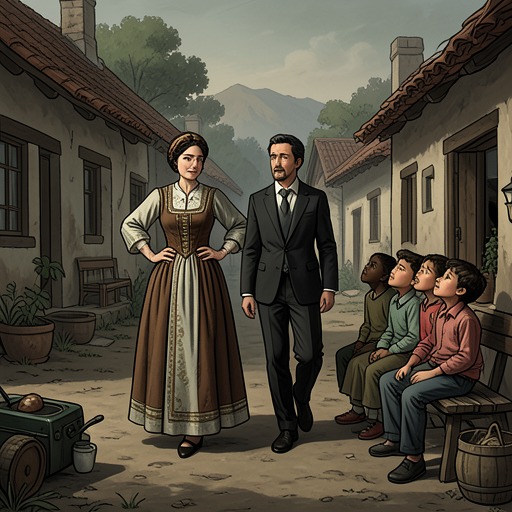
Oh Misook’s experience of family life began with unequal opportunities. Her older brothers received support to pursue education and careers; she and her sister, by contrast, worked during the day and studied at night to earn school credentials. Oh Misook later studied independently for a high-school certificate, but the possibility of becoming a teacher—the ambition she would eventually disclose to Jiyoung—did not become a career. She came to understand that the family’s resources and encouragement would go to the boys first, even though she had been a strong student.
That history informs the pressure surrounding the births of her daughters. When Kim Eunyoung was born, Oh Misook held the infant and apologized, while Koh Boonsoon reassured her that the next child would be a boy. At Jiyoung’s birth, Oh Misook again held her newborn daughter and expressed sorrow. In a period when sex-selective abortion was common, she later went alone to a clinic and ended a pregnancy with Jiyoung’s younger sister. The decision was made under the pressure of son preference, but the physical and emotional burden fell on Oh Misook; she had no family member beside her to comfort her. A doctor’s compassion helped her endure the experience. Years later, she gave birth to a son. These events locate the mother-daughter bond within a family and society in which the arrival of a girl could be treated as a source of maternal failure.
A Daughter Encounters Her Mother’s Lost Ambition
When Jiyoung was in elementary school, Oh Misook read a teacher’s comment on her daughter’s journal and said that she, too, had wanted to be a teacher. Jiyoung laughed, having assumed that mothers could only be mothers. Her response exposes how little she knew of the person her mother had been before family responsibilities defined her life. Oh Misook explained that she had earned the best grades among her siblings, but now had to work to send her children to school. She presented this sacrifice as ordinary for mothers, even as Jiyoung began to recognize its personal cost.
Jiyoung felt sadness at the idea that her own life had helped keep her mother from pursuing a dream. Oh Misook noticed her reaction and gently smoothed her daughter’s untidy hair. The gesture does not resolve the regret between them; it shows care continuing within a conversation about what care has cost. The tension resurfaces when Kim Eunyoung considers teacher training. Oh Misook initially opposes the plan, knowing from experience that surrendering ambitions for family can leave lasting regret. Eunyoung insists that teaching is a considered choice, not simply another sacrifice. In this exchange, Oh Misook’s painful knowledge makes her protective, but also risks making her wary of a daughter’s chosen future.
Motherhood and the Work Left Unspoken
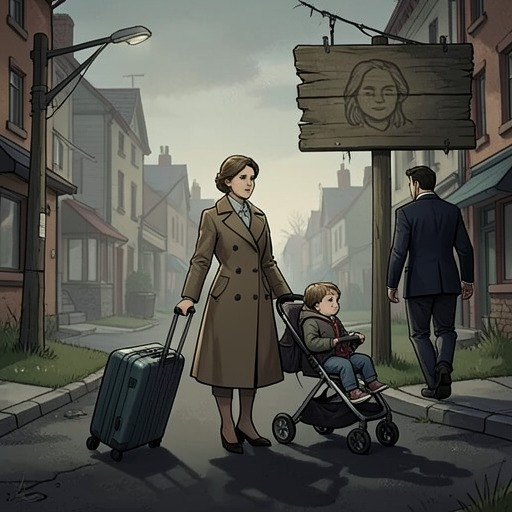
After Jiyoung gives birth to Jung Jiwon, the practical demands of infant care fill her days. Jiwon cries frequently, and Jiyoung feeds her every two hours while doing household chores, washing baby clothes, and trying to rest with the infant in her arms. She is exhausted and in pain. Oh Misook cannot stay to help her recover: the porridge shop is short-staffed, business has weakened as other restaurants have moved into the building, and she is working extra hours. Still, she brings Jiyoung leftovers whenever she can. The food is a concrete form of support from a mother whose own work leaves little time to provide hands-on care.
Oh Misook praises Jiyoung for caring for her baby, describing maternal love as a powerful force. Jiyoung answers by asking what raising children had actually been like for her mother: whether it was hard and whether she regretted having so many. Oh Misook’s reply breaks through the polished ideal of effortless maternal devotion. She recalls raising three children while Jiyoung’s father never changed a diaper and the grandmother expected meals at home three times a day. She describes being overwhelmed, short of sleep, and aching throughout her body. The exchange makes visible the work that had been present all along but had not been shared with Jiyoung in detail.
Recognition, Care, and Inheritance
Jiyoung has seen mothers represented as beautiful and noble, and she is responsible for raising her child well. Yet praise of her endurance makes her feel guilty about being exhausted. Oh Misook’s frank account offers a different inheritance: not an instruction to endure silently, but evidence that her mother’s own experience was difficult. After Oh Misook brings food, Jiyoung thanks her, recognizing how much the leftovers have sustained her. The conversation cannot return to Oh Misook the opportunities she lacked, but it allows Jiyoung to see her not only as a mother but as a woman who once had ambitions and carried burdens of her own.
The relationship therefore holds affection alongside the limits imposed by work, family roles, and gendered expectations. Oh Misook’s sacrifices enabled her children’s schooling, while her shop work restricts the help she can now give Jiyoung. Jiyoung, in turn, experiences the physical and emotional demands of motherhood without mistaking exhaustion for a lack of love. Their exchange gives shape to a recurring silence between generations: the hardship of caring for children can remain hidden behind the language of maternal devotion until one woman asks another what it was really like.